
How Construction Surveys Keep Multi-Phase Projects Moving in the Right Direction
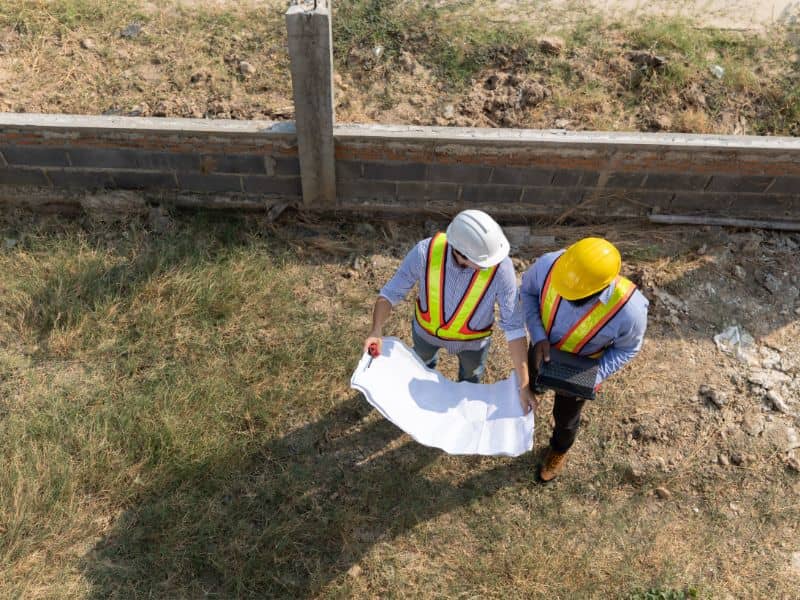
Large developments rarely get built in one continuous push. A construction survey plays a key role at almost every stage of these phased projects. It gives each new phase a way to connect back to the work that came before it. Without that connection, even small shifts can cause real problems down the line. For developers managing a project across years rather than months, that kind of continuity matters.
Major Projects Rarely Reach the Finish Line in One Step
Large developments rarely move forward in one single push. Most get built in phases, with different parts of the project moving on their own schedule. Infrastructure might go in first, followed by buildings, then utilities, then site improvements.
A master-planned community might start with roads and underground utilities. Buildings come next, often years apart from each other. Some phases wait on funding, while others wait on permits or market demand.
This kind of staged approach makes sense for big projects. It spreads out cost and risk over time. But it also means a project’s pieces have to connect well even when they’re built months or years apart.
Each Phase Builds on the Accuracy of the One Before It
Early work on a project sets reference points for everything that comes after it. A road built in phase one becomes the reference line for utilities added in phase two. A foundation poured early can affect how later buildings line up nearby.
Small mistakes in early phases don’t always show up right away. A line that’s off by a few inches might not matter much on its own. But that same small gap can grow once three or four more phases get built around it.
Construction surveys keep this kind of drift from happening. Each new phase gets checked against the same accurate reference points used in earlier work. That consistency keeps small errors from turning into expensive problems years down the road.
Different Contractors Enter the Project at Different Times
A single phased project often passes through many different hands. Grading crews might finish their work months before utility contractors show up. Concrete teams, structural contractors, and paving crews often follow even later.
None of these teams are usually on site at the same time. A paving crew working a year after the grading crew left has no easy way to confirm the original layout just by looking at the ground. They need something more reliable than memory or rough notes.
Construction surveys give every contractor the same accurate starting point, no matter when they show up. That shared reference makes it possible for different trades to coordinate well even though they never overlap on site. Nobody has to guess at what an earlier crew left behind.
Construction Surveys Provide Continuity When Timelines Change
Few large projects move forward exactly on schedule. Weather delays, permit approvals, funding gaps, and material shortages can all interrupt a project’s sequence. Any one of these can push a phase back by weeks or even months.
When work pauses for months, the risk of losing track of earlier improvements goes up. A construction survey keeps that risk low. It gives crews a way to pick up exactly where the project left off, even after a long break.
This matters most on projects that span years rather than weeks. A survey done early in the process still holds its value long after the work has stopped and started again more than once. Future phases reconnect to earlier work without confusion, no matter how long the gap was.
Long-Term Success Depends on Keeping Every Phase Connected
Phased developments often continue for years past their original start date. Priorities can shift as a project moves forward. A development plan written in year one might look different by year five, and several parts of a long project depend on staying connected through all of that change.
- Future expansions
- Later building phases
- Infrastructure upgrades
- Ongoing site improvements
Construction surveys give every one of these later additions a reliable framework to build from. Each new phase can connect cleanly to the work that came before, even if priorities or designs shifted along the way. That kind of reliability protects the project as a whole. Owners who keep accurate survey records through every phase end up with a development that holds together for years.
Frequently Asked Questions
Why are many construction projects completed in phases?
Large developments often need separate schedules for infrastructure, buildings, and utilities. Building everything in phases makes it easier to manage funding, permits, and construction timing. This approach is common on big developments that take years to finish.
How do Construction Surveys support multi-phase projects?
Construction surveys set accurate reference points that stay consistent through every stage of a project. Later phases use those same points to line up correctly with earlier work. That consistency helps avoid costly mistakes as a project grows.
Why is continuity important during phased construction?
Work completed early in a project affects every phase that follows it. A small gap in one phase can grow once later phases build around it. Maintaining alignment from the start helps avoid conflicts and delays.
Can Construction Surveys help when projects experience delays?
Yes. Construction surveys provide dependable reference information that doesn’t lose value during a pause. Crews can pick up an interrupted project and reconnect to earlier work with confidence. That accuracy holds up no matter how long the delay lasts.
Who relies on Construction Surveys during phased developments?
Developers, builders, contractors, engineers, and property owners all rely on accurate survey information throughout a project. Each group uses it at a different stage, from early grading to final paving. That shared accuracy keeps everyone working from the same reliable picture.